
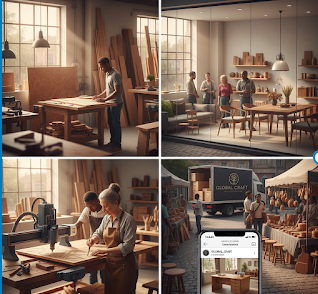

Introduction: Furniture Never Goes Out of Style
From ancient wooden stools carved by hand in remote villages to sleek, modern ergonomic chairs designed with cutting-edge technology, one fundamental truth has remained absolutely constant throughout human history: people always need furniture. Whether it’s for sitting, sleeping, studying, working, eating, or simply decorating and expressing personal style, furniture is inseparable from everyday life. We might live without many things we consider essential, but we cannot live without places to rest our bodies, surfaces to prepare our meals, or spaces to store our belongings.
the global furniture market is expected to surge past eight hundred billion dollars, driven by powerful trends that show no signs of slowing. Rapid urbanization across Africa, Asia, and Latin America means millions of new households forming every year, each needing to furnish their homes. E-commerce has revolutionized how people shop for furniture, with customers now browsing thousands of options from their phones and having bulky items delivered directly to their doors. Rising incomes in developing countries have created enormous middle classes eager to upgrade from basic functional furniture to stylish, quality pieces that reflect their success and taste. Environmental consciousness has spawned entire market segments demanding sustainable, recycled, and eco-friendly furniture. Remote work has transformed home offices from luxury to necessity, creating unprecedented demand for desks, chairs, and organizational furniture.
The best part? You don’t have to own a giant factory with expensive machinery and hundreds of employees to profit from this massive, growing industry. With the right plan, clear vision, and willingness to start small and learn continuously, you can launch a furniture business from your backyard or garage, investing just hundreds or a few thousand dollars, and scale systematically into a thriving enterprise that supports your family comfortably and potentially employs others in your community.
This comprehensive guide will show you step by step, with practical details and real-world insights, exactly how to start a profitable furniture business . Whether you dream of becoming a master craftsman creating bespoke pieces for wealthy clients, a savvy entrepreneur importing and reselling trendy furniture online, or a manufacturer supplying hotels and offices with contract furniture, the path forward begins with understanding this industry’s fundamentals and your unique place within it.
Step 1: Understand Why Furniture is a Great Business Opportunity
Before you invest time, money, and energy into launching a furniture business, it’s worth deeply understanding why this industry offers such compelling opportunities compared to countless other business ideas competing for your attention and capital.
The demand for furniture is not just high it’s universal and non-discretionary. Every single household, regardless of income level or location, needs basic furniture. The poorest families need beds, chairs, and tables. Middle-class homes want sofas, dining sets, and wardrobes. Wealthy households seek statement pieces, luxury materials, and custom designs. Businesses need desks, conference tables, and reception furniture. Hotels furnish hundreds of rooms. Restaurants need tables and chairs that withstand constant use. Schools require sturdy, safe furniture for classrooms. Hospitals need specialized medical furniture. This breadth of market segments means you can position yourself anywhere along the spectrum from budget to luxury, from residential to commercial, and find customers willing to pay for what you offer.
Furniture sales are not one-time transactions but rather recurring revenue opportunities. Unlike selling someone a product they’ll use once and never need again, furniture creates ongoing relationships. Families upgrade their furniture as their incomes rise, their children grow, their tastes evolve, or their homes expand. Businesses constantly expand into new offices, refresh their corporate image with updated furniture, or replace worn pieces. Hotels and restaurants undergo renovations every few years, replacing entire inventories. If you serve customers well initially, they return for additional rooms, new projects, or replacement pieces, and they recommend you to friends, family, and colleagues facing similar furniture needs.
The profit margins in furniture can be extraordinarily attractive, especially if you’re manufacturing or customizing rather than just reselling. A wooden chair might cost you twenty dollars in materials and perhaps another ten dollars in labor to produce, yet sell easily for sixty to one hundred dollars or more depending on your market, design quality, and brand positioning. A custom dining table using two hundred dollars in materials and requiring two days of skilled labor could sell for eight hundred to fifteen hundred dollars. These margins provide room to weather mistakes, invest in growth, pay yourself fairly, and build substantial wealth over time. Even furniture resellers who don’t manufacture can achieve 50-100% markups on wholesale prices, creating viable businesses through volume and efficient operations.
The furniture industry offers multiple niches and specialization opportunities, allowing you to find the specific segment matching your skills, interests, capital, and local market conditions. You can focus on luxury handcrafted pieces if you’re a skilled artisan in an affluent area. You can specialize in budget furniture if you’re in a price-sensitive market with many young families or students. You can target office furniture if you’re near business districts. You can create children’s furniture if safety and durability are your strengths. You can build eco-friendly furniture if you’re environmentally conscious and your market values sustainability. This diversity means nearly anyone can find their profitable place in the furniture ecosystem.
Scalability represents another powerful advantage. You can genuinely start small one person in a garage making simple stools and tables on weekends and systematically grow into a brand with multiple workshops, dozens of employees, showrooms in several cities, and online sales reaching customers nationwide or internationally. This growth path has been successfully traveled by thousands of furniture businesses. You’re not trapped at a particular size; you can expand at whatever pace your profits, energy, and ambition support.
Step 2: Choose Your Furniture Niche Strategically
The furniture industry is vast and varied, encompassing everything from mass-produced flat-pack items sold in warehouse stores to one-of-a-kind artistic pieces displayed in galleries. Trying to compete across this entire spectrum is impossible, especially when starting. You need to choose a specific niche where you can focus your efforts, build expertise, develop a reputation, and create differentiation from countless competitors. Selecting the right niche significantly influences your startup costs, target customers, marketing approach, required skills, and profit potential.
Home furniture represents the largest and most diverse market segment. Beds, sofas, dining tables, coffee tables, wardrobes, bookcases, TV stands, nightstands, dressers every home needs these items, creating enormous aggregate demand. Within home furniture, you can specialize further: bedroom furniture for couples upgrading their master suites, living room furniture for families seeking comfort and style, dining room furniture for people who love entertaining, or compact multi-functional furniture for small urban apartments where space efficiency matters more than anything. Home furniture allows you to tap into emotional purchases where customers buy not just function but also aesthetic appeal, status signaling, and lifestyle expression.
Office furniture has exploded as a market segment, dramatically accelerated by remote work trends that show no signs of reversing. Millions of professionals who once worked in corporate offices now work from home and need proper desks, ergonomic chairs, filing cabinets, and organizational furniture to create productive home offices. Beyond home offices, traditional corporate offices, coworking spaces, startups, and small businesses all need desks, conference tables, reception furniture, and collaborative workspace solutions. Office furniture buyers often prioritize function, durability, and ergonomics over pure aesthetics, creating opportunities for businesses that understand workplace needs and can deliver reliable, comfortable, long-lasting pieces.
Custom furniture represents a premium niche where skilled craftspeople create tailored pieces designed specifically for individual clients, unique spaces, or specialized uses. Custom furniture might mean building a dining table to exact dimensions for an awkwardly shaped room, creating built-in wardrobes that maximize storage in a small apartment, designing unique reception desks that reflect a company’s brand identity, or crafting statement pieces like live-edge wood tables or artistic chairs that serve as functional sculpture. Custom work commands premium prices because clients are paying for your expertise, creativity, flexibility, and the uniqueness they cannot find in mass-produced alternatives. However, custom furniture requires higher skill levels, longer production times, more detailed client communication, and the ability to execute complex designs reliably.
Outdoor furniture serves gardens, patios, balconies, pool areas, beach resorts, restaurants with outdoor seating, and public parks. This niche requires materials and construction techniques that withstand weather exposure—rain, sun, humidity, temperature fluctuations making it more specialized than indoor furniture. Successful outdoor furniture uses weather-resistant woods like teak or cedar, marine-grade fabrics, rust-proof metals, and UV-stable finishes. The market is seasonal in many climates, with peak demand in spring and summer, requiring careful cash flow management through slower winter months. However, outdoor furniture often commands good margins because quality pieces are genuinely expensive to produce well, and customers recognize that cheap outdoor furniture fails quickly.
Budget or DIY furniture targets price-sensitive customers like students furnishing first apartments, young families on tight budgets, landlords outfitting rental properties economically, or anyone seeking functional furniture without premium prices. This segment emphasizes affordability, simple assembly, lightweight materials, and basic designs over luxury or customization. Success in budget furniture comes from efficient manufacturing, economical material sourcing, streamlined designs that minimize labor, and volume sales. Your margins per piece may be modest, but you make money through velocity—selling many pieces quickly rather than few pieces at high prices.
Eco-friendly and sustainable furniture appeals to environmentally conscious consumers increasingly concerned about deforestation, carbon footprints, and waste. This niche uses reclaimed wood, sustainably harvested timber, bamboo, recycled metals and plastics, non-toxic finishes, and production methods that minimize waste and environmental impact. Customers in this segment willingly pay premium prices for furniture that aligns with their values, creating profitable opportunities for businesses that genuinely embrace sustainability rather than just greenwashing. Marketing eco-friendly furniture requires transparency about materials sources, production processes, and environmental certifications that build credibility.
Luxury and artistic furniture represents the high end of the market where price sensitivity is minimal and aesthetic excellence, craftsmanship quality, material rarity, and brand prestige dominate purchasing decisions. Luxury furniture might incorporate exotic woods, precious metal inlays, high-end upholstery fabrics, artistic designs from recognized furniture designers, or historical styles meticulously reproduced. This niche requires exceptional craftsmanship skills, access to premium materials, understanding of wealthy clients’ preferences, and ability to market through appropriate channels like interior designers, luxury home magazines, and exclusive showrooms. Margins can be extraordinary a luxury dining table might cost two thousand dollars to produce and sell for ten thousand but the customer base is limited and discerning.
The crucial strategic decision is picking one niche initially rather than trying to be everything to everyone. Start where your skills, resources, and local market align most favorably. Build reputation and expertise in that niche. Then, once established and profitable, you can thoughtfully expand into adjacent niches, leveraging your existing capabilities and customer relationships.
Step 3: Do Market Research That Actually Informs Decisions
Market research sounds academic and boring, but it’s actually the most practical, money-saving activity you can do before launching your furniture business. Thorough research helps you avoid expensive mistakes like investing in inventory nobody wants, locating your showroom where foot traffic is sparse, or pricing so far from market norms that customers ignore you. Effective research doesn’t require expensive consultants or complex methodologies it requires curiosity, observation, and systematic information gathering.
Start by clearly defining your target customers with specific demographic and psychographic detail. Instead of vaguely planning to sell “to everyone,” identify precisely who will buy from you. Are you targeting young professionals furnishing first apartments on limited budgets? Established families upgrading their homes to reflect rising incomes? Retirees downsizing to smaller spaces and seeking quality over quantity? Small businesses outfitting new offices? Hotels undergoing renovations? Real estate developers furnishing show homes and rental properties? Each segment has different needs, preferences, buying processes, and price sensitivities. Understanding your specific target customer shapes everything from product selection to marketing messages to distribution channels.
Identify what’s currently trending in your market through observation and digital research. Visit furniture stores, from budget outlets to luxury showrooms, and note what’s prominently displayed, what sales staff promote, and what appears frequently across multiple stores. Browse online marketplaces and e-commerce sites to see what generates reviews and high ratings. Explore Pinterest, Instagram, and home décor magazines to understand aesthetic trends—minimalist Scandinavian designs, industrial-style furniture with metal and wood combinations, mid-century modern revivals, rustic farmhouse aesthetics, or sleek contemporary styles. Google Trends can reveal whether interest in specific furniture types or styles is rising or falling. Pay attention to functional trends too: space-saving furniture for small urban homes, ergonomic designs for health-conscious professionals, sustainable materials for eco-aware consumers, or multi-functional pieces that serve several purposes.
Analyze where people currently purchase furniture in your market to understand the competitive landscape and identify opportunities. Traditional furniture stores still dominate in many markets, offering physical showrooms where customers can see, touch, and test furniture before buying. Online marketplaces like Wayfair, Amazon, and local e-commerce platforms have captured significant market share by offering vast selection, competitive prices, and convenient home delivery. Local carpenters and furniture makers serve customers wanting custom work or personal relationships with their furniture providers. Importers bring in container loads of furniture from manufacturing hubs and sell through various channels. Understanding these existing channels reveals gaps you might fill or weaknesses you might exploit.
Study your competition systematically by creating a detailed competitive analysis. List every furniture business operating in your area or serving your target market. For each competitor, document their product range, approximate pricing, quality level, unique selling points, strengths, and apparent weaknesses. Visit their showrooms if they have them, browse their online presence, read customer reviews to understand what people appreciate and what frustrates them. This analysis isn’t about copying competitors but rather understanding how to differentiate yourself. Perhaps everyone focuses on modern styles, creating opportunity for traditional or vintage-inspired designs. Maybe competitors offer limited customization, allowing you to win customers through personalization. Possibly the market lacks budget options or conversely lacks true luxury pieces. Perhaps customer service is universally poor, making excellent service your competitive advantage.
Critically important is discovering and articulating your Unique Selling Proposition the specific, meaningful way you’ll be different from and better than alternatives available to your target customers. Your USP might be exceptional durability that justifies higher prices, unbeatable affordability that wins price-sensitive customers, customization capability that serves unique needs, superior delivery and assembly service that removes customer hassle, sustainable materials that appeal to environmental values, or distinctive designs unavailable elsewhere. Without a clear USP, you’re just another furniture seller competing primarily on price, which is a race to the bottom where profit disappears.
Free and low-cost research tools abound. Google Trends reveals search volume and interest patterns for furniture types and styles. Instagram hashtags like #homedecor, #officefurniture, #sustainablefurniture, or #customfurniture show what people are posting, buying, and excited about. Facebook groups focused on home décor and interior design reveal preferences and pain points. Simply asking potential customers—friends, family, community members about their furniture buying experiences, preferences, frustrations, and unmet needs provides invaluable qualitative insights. Visiting furniture showrooms and striking up conversations with sales staff reveals which pieces sell quickly and which languish unsold. The information you need exists freely available if you invest the time to gather it systematically.
Step 4: Plan Your Business Model and Operational Approach
Furniture businesses operate through several distinct business models, each with different capital requirements, skill needs, operational complexity, and profit potential. Choosing the right model for your situation significantly impacts your chances of success and the path your business takes as it grows.
The manufacturing model means you actually build furniture yourself or employ carpenters and craftspeople who build under your direction. This approach offers maximum control over quality, design, customization, and brand identity. When you manufacture, you capture the full value chain from raw materials to finished product, allowing for strong profit margins if you manage costs well. You can respond quickly to customer preferences, create unique designs competitors cannot easily copy, and build genuine craftsmanship skills that become competitive advantages. However, manufacturing requires workshop space, tools and equipment, skilled labor or personal craftsmanship abilities, materials inventory, and working capital to cover expenses before you sell finished products. The learning curve is steep if you’re new to furniture making, encompassing design skills, joinery techniques, finishing methods, and quality control.
The reselling model involves buying finished furniture wholesale from manufacturers or importers and selling retail to end customers, capturing the margin between wholesale and retail prices. This approach requires less specialized skill since you’re not making anything, lower capital initially since you’re not buying equipment and tools, and faster time to revenue since you can sell immediately rather than after production. Reselling allows you to offer wide product variety by sourcing from multiple suppliers, test market preferences without committing to manufacturing capabilities, and scale quickly by adding product lines. However, reselling offers thinner margins than manufacturing, creates dependency on suppliers who might raise prices or fail to deliver, and provides limited differentiation since other resellers might carry identical products. Success in reselling comes from sourcing unique products, negotiating favorable wholesale terms, creating superior customer experiences, or achieving volume efficiencies that offset lower margins.
The hybrid model combines elements of manufacturing and reselling, offering strategic flexibility and risk management. You might import and resell ready-made furniture to generate steady cash flow and serve customers immediately while simultaneously building custom furniture in your workshop for clients wanting personalization and paying premium prices. Or you might manufacture your core product line perhaps dining tables and chairs while reselling complementary items like lighting, décor accessories, or specialized pieces you cannot economically produce yourself. The hybrid approach lets you capture benefits of both models: manufacturing’s higher margins and differentiation plus reselling’s variety and quick inventory turnover. However, it also means managing more complexity, dividing your attention between different operational requirements, and potentially confusing customers about what you actually do unless you brand carefully.
Another crucial decision involves whether you operate purely business-to-consumer (B2C), purely business-to-business (B2B), or both. B2C means selling directly to individuals and families furnishing their homes. This creates many small transactions, requires consumer marketing through social media and advertising, and involves dealing with individual customers’ changing preferences and emotional purchasing decisions. B2B means selling to businesses, hotels, offices, schools, real estate developers, or interior designers who buy in larger quantities, make more rational and specification-based decisions, and potentially provide steadier revenue through contracts and repeat orders. However, B2B involves longer sales cycles, negotiation over pricing and terms, and often payment delays. Many successful furniture businesses serve both segments, perhaps focusing primarily on one while opportunistically pursuing the other when attractive projects arise.
Consider also whether you’ll operate purely online, purely physical, or omnichannel. Online-only operations avoid expensive showroom rent and can serve customers across wide geographic areas, but customers cannot physically see and test furniture before buying, which significantly impacts purchasing decisions for expensive items. Physical showrooms provide tangible customer experiences and walk-in traffic but require substantial capital for rent, utilities, and staffing. Increasingly, successful furniture businesses embrace omnichannel approaches: a showroom displaying key pieces where customers can experience quality while much of the inventory exists digitally, with full selection browsable online and orders delivered directly from warehouses or manufacturers.
Step 5: Calculate Startup Costs Realistically
Understanding your true startup costs prevents the common tragedy of running out of money halfway through launching your business. Too many entrepreneurs underestimate total investment required, fund only obvious expenses, then discover their capital exhausted before they’ve achieved profitability. Creating a comprehensive, honest startup budget is essential.
For a minimal home-based furniture workshop operating from a garage or backyard, startup costs can be quite modest but still require careful accounting. Basic woodworking tools including a circular saw, jigsaw, drill, sander, measuring and marking tools, clamps, and safety equipment will cost three hundred to five hundred dollars if buying new, less if purchasing quality used tools. A sturdy workbench and proper storage for tools and materials adds another one to two hundred dollars. Initial raw materials lumber, screws, glue, sandpaper, wood stain and finish, upholstery foam and fabric if making seating might cost two hundred to five hundred dollars depending on what you’re building. Remember this is inventory investment that converts into sellable products. Basic business setup costs including business registration, simple logo design, business cards, and initial marketing materials might total one hundred to two hundred dollars. Altogether, launching a very small home workshop operation could cost five hundred to two thousand dollars, making it accessible to many aspiring furniture entrepreneurs.
A medium-sized workshop operation suitable for part-time or full-time income involves larger investments. Renting dedicated workshop space rather than using your garage provides more room, allows messier operations, and separates business from home. Expect monthly rent from three hundred to one thousand dollars or more depending on location and size, with deposits of two to three months upfront. Better equipment including a table saw, miter saw, router, quality drills, professional sander, and potentially larger items like a planer or jointer might cost three thousand to seven thousand dollars. Adding used equipment significantly reduces costs. Increased materials inventory to maintain production flow without constant shopping trips might require one thousand to three thousand dollars. If hiring help, whether full-time carpenters or part-time assistants, you need working capital to cover their wages during the ramp-up period before revenue fully covers payroll. Overall, a serious workshop operation might require five thousand to fifteen thousand dollars to launch properly.
Opening a furniture shop with both workshop and retail showroom multiplies costs substantially. Commercial rent in a location with good visibility and foot traffic could easily run one thousand to five thousand dollars monthly with significant upfront deposits. Shop fit-out including painting, flooring, lighting, signage, and creating attractive displays might cost three thousand to ten thousand dollars. Display furniture inventory either your own manufactured pieces or wholesale stock represents major capital tied up in products sitting on showroom floors. Depending on the size, you might need ten thousand to fifty thousand dollars in inventory. Adding staff for sales, delivery, and workshop help brings monthly payroll costs requiring adequate cash reserves. Business licensing, insurance, accounting setup, professional marketing materials, and launch advertising add further thousands. Realistically, opening a proper furniture shop requires twenty thousand to fifty thousand dollars minimum, potentially much more in expensive markets or for larger operations.
Break down your costs into categories: one-time startup costs like equipment, business registration, and initial marketing versus ongoing operational costs like rent, utilities, materials, payroll, and marketing. Understanding this distinction helps you calculate how much working capital you need beyond startup costs to sustain operations until revenue covers expenses typically three to six months for new businesses.
Step 6: Handle Legal Setup and Business Formalization Properly
Operating legally from day one protects you from fines, lawsuits, and the heartbreak of building a business only to have it shut down for operating without proper permits. Legal setup also builds credibility with customers, suppliers, and potential partners who take you more seriously as a registered, legitimate business.
Business registration requirements vary by country and jurisdiction but generally involve choosing a business structure (sole proprietorship, partnership, limited liability company), registering with the appropriate government authority, and obtaining a business license or permit to operate legally. Even if you’re starting very small from home, registering demonstrates professionalism and protects your business name from use by others. Registration costs are typically modest often under one hundred dollars for basic registration making it accessible for even minimal budget startups.
Certain permits may be required depending on your location, business size, and whether you employ others. Some jurisdictions require specific permits for manufacturing operations, carpentry workshops, retail sales, or employing workers. Research requirements through local government websites, small business development centers, or by consulting with business advisors. While permit processes can feel bureaucratic and annoying, they exist to ensure safety standards, fair labor practices, and proper taxation. Operating without required permits risks serious penalties and potential business closure.
Choosing a catchy, memorable brand name represents an important strategic decision. Your name should be easy to remember and pronounce, suggest something about what you do or how you’re different, and ideally be available as a domain name for future website development. Creative examples might include “UrbanWood” suggesting city-oriented wood furniture, “ComfortLine” emphasizing comfort, “EcoFurnish” highlighting environmental focus, or “CraftSpace” conveying handcrafted custom work. Check that your desired name isn’t already trademarked in your industry or used by competitors. Once chosen, register your business name officially and secure the matching domain name even if you’re not immediately building a website.
Opening a separate business bank account rather than mixing business and personal finances provides multiple benefits. It simplifies bookkeeping and tax preparation by clearly separating business transactions. It looks more professional when receiving payments and paying suppliers. It protects personal assets by maintaining clear boundaries between business and personal finances. It enables business credit building over time, potentially providing access to business loans or credit lines for expansion. Most banks offer business checking accounts specifically designed for small businesses, often with lower fees than standard accounts or even free if you maintain minimum balances.
Consider liability insurance even when starting small. Furniture businesses face potential liability if a product fails and injures someone a chair collapses, a table edge proves dangerous, a bookshelf tips over. Liability insurance protects your personal assets if you’re sued. Product liability insurance specifically covers claims arising from products you manufacture or sell. While insurance represents additional expense, the cost is modest compared to potential lawsuit damages that could destroy your business and personal financial security.
Step 7: Master Design and Production Excellence
Quality furniture that satisfies customers and justifies profitable pricing requires attention to design, materials, construction techniques, and finishing. Whether you’re manufacturing yourself or specifying requirements for products you’re sourcing, understanding what makes furniture genuinely good is essential.
Material selection fundamentally determines furniture quality, durability, and aesthetic appeal. Solid hardwoods like oak, maple, cherry, and walnut provide beauty, strength, and longevity but cost more than softwoods or engineered materials. Plywood and MDF (medium-density fiberboard) offer stability, workability, and economy but lack solid wood’s natural beauty and premium feel. Metals like steel and aluminum provide strength for frames and industrial aesthetics but require different tools and skills than wood. Upholstery materials range from genuine leather commanding premium prices to synthetic fabrics offering easy maintenance and affordability. Understanding material properties, costs, and appropriate applications allows you to design furniture that meets quality standards while controlling costs.
Construction techniques separate furniture that lasts decades from pieces that fail in months. Proper joinery using mortise-and-tenon joints, dovetails, or pocket screws creates strength that glue and nails alone cannot match. Reinforcing corners and stress points prevents wobbling and structural failure. Using appropriate hardware drawer slides that glide smoothly, hinges that operate reliably, fasteners that hold securely transforms mediocre designs into quality pieces. Spending extra on quality construction pays dividends through customer satisfaction, fewer warranty claims, and reputation for durability.
Functionality must drive design decisions alongside aesthetics. Chairs should be comfortable for extended sitting with proper seat height, depth, and back support. Tables need adequate legroom and stable bases that don’t wobble. Storage furniture should maximize usable space while allowing easy access. Desks require proper height for ergonomic computer use and sufficient surface area for work. Beautiful furniture that functions poorly frustrates customers and damages your reputation; functional furniture that looks attractive delights customers and generates recommendations.
Current design trends heavily favor minimalism, clean lines, multi-functionality, and space-saving solutions reflecting urban apartment living realities. Furniture that serves multiple purposes storage beds with built-in drawers, coffee tables that expand to dining tables, desks with integrated shelving appeals to customers maximizing limited space. Customization capability allowing customers to choose dimensions, finishes, or configurations creates differentiation and justifies premium pricing. Offering personalized details like custom colors, engraved names, or modified designs makes furniture feel special rather than mass-produced.
Finishing quality dramatically impacts perceived value and actual durability. Sanding surfaces smooth, applying even stain colors, using quality protective finishes that resist scratches and water damage, and attending to details like clean edges and hidden fasteners separate amateur from professional work. Many customers judge furniture quality primarily by finish appearance since they cannot easily assess underlying construction. Investing time in finishing pays disproportionate returns in customer satisfaction and willingness to pay premium prices.
Step 8: Develop Multiple Selling Channels
Limiting yourself to a single sales channel restricts growth and creates vulnerability. Successful furniture businesses typically operate through several complementary channels that together maximize market reach and revenue opportunities.
Physical showrooms remain powerful sales tools despite e-commerce growth because furniture is a high-involvement purchase where customers want to see, touch, sit on, and experience items before buying expensive pieces. A well-designed showroom displaying your best work in attractive room settings helps customers visualize furniture in their own spaces, justifies premium pricing through tangible quality demonstration, and provides opportunities for sales conversations that build trust and close deals. However, showrooms require significant capital for rent, utilities, staffing, and inventory display that must be recovered through sales.
Online selling through your own website or e-commerce platforms dramatically expands your potential customer base beyond those who can physically visit your location. Quality photography showing furniture from multiple angles, in various settings, and demonstrating key features like storage capacity or assembly process is essential since customers cannot physically examine products. Detailed specifications including dimensions, materials, weight capacity, and care instructions help customers make informed decisions. Customer reviews and testimonials build credibility that offsets inability to touch products before purchase. Many furniture businesses find online sales more profitable than showroom sales despite requiring competitive pricing because they avoid expensive retail rent and can operate from cheaper warehouse locations.
Online marketplaces like Jumia in Africa, Amazon globally, or Etsy for handmade furniture provide built-in traffic and customer trust that would cost enormously to develop independently. These platforms charge commissions or fees but deliver ready access to millions of potential customers actively shopping for furniture. Success on marketplaces requires excellent product photography, competitive pricing, strong customer reviews, and reliable fulfillment. Some furniture makers use marketplaces as primary sales channels while others use them to supplement direct sales and reach customers they wouldn’t otherwise access.
B2B partnerships with hotels, offices, schools, real estate developers, interior designers, and Airbnb hosts create large-volume opportunities that dramatically exceed individual consumer sales. A single hotel renovation might require furniture for fifty rooms hundreds of pieces in one project. An office expansion could need desks, chairs, and conference furniture for twenty employees. Real estate developers furnishing show homes and rental properties buy repeatedly as they develop new properties. Building these relationships requires professional approach, ability to fulfill large orders reliably, willingness to negotiate on high-volume pricing, and often patience through longer sales cycles. However, landing even a few good B2B clients can provide foundational revenue that sustains your business while you pursue higher-margin retail sales.
Events including trade fairs, home décor exhibitions, furniture expos, and craft markets allow you to showcase products, meet customers face-to-face, and generate immediate sales or future orders. Events create concentrated marketing opportunities where potential customers actively seeking furniture discover your brand. Successful event participation requires attractive booth displays, knowledgeable staff, promotional materials customers can take home, and systems for capturing contact information for follow-up. While events involve booth fees, travel, and time investment, they can generate substantial orders and marketing exposure difficult to achieve otherwise.
Social media platforms, particularly Instagram and Facebook, have evolved beyond pure marketing channels into actual sales platforms through integrated shopping features. Instagram Shopping allows you to tag products in photos with prices and direct purchase links. Facebook Marketplace enables local sales with easy customer communication. WhatsApp Business catalogs let customers browse products and place orders through familiar messaging. Even Pinterest drives furniture sales through visual discovery and links to purchasing pages. Treating social media as active sales channels rather than just brand awareness tools multiplies their value.
Step 9: Market Your Furniture Business Relentlessly and Creatively
Even exceptional furniture sits unsold if potential customers don’t know you exist. Marketing isn’t an optional activity you do when business is slow it’s the engine driving awareness, interest, and ultimately sales that determine whether your business thrives or struggles.
Social media marketing offers the highest return on investment for furniture businesses because furniture is inherently visual and emotional. Post frequently on Instagram and Facebook showcasing your products in beautiful, aspirational settings rather than just plain workshop photos. Style pieces attractively with complementary décor items. Photograph in natural light. Show furniture in real homes or room mockups that help customers visualize pieces in their own spaces. Use Instagram Stories and Reels to show behind-the-scenes production, time-lapse assembly videos, customer testimonials, or quick design tips. Video content typically receives higher engagement than static photos and demonstrates quality and functionality that photos cannot fully capture.
Content marketing through blogs, videos, or social media posts that educate rather than just sell builds authority and trust while attracting potential customers searching for solutions to their problems. Create content answering common furniture questions: “How to furnish a small apartment on a budget,” “Choosing the right dining table size for your space,” “5 signs you need to replace your office chair,” “Sustainable furniture materials explained.” This content attracts search traffic from people researching furniture decisions and positions you as a knowledgeable expert they might buy from when ready.
Influencer partnerships with lifestyle, home décor, or interior design influencers can introduce your furniture to thousands of potential customers who trust the influencer’s taste and recommendations. Rather than paying cash which may strain budgets, consider providing furniture in exchange for content—the influencer furnishes a room with your pieces and creates posts showing how they incorporated your furniture. Choose influencers whose aesthetic and audience match your target customers rather than just pursuing the largest follower counts.
Referral programs that reward customers for bringing new buyers create viral marketing at minimal cost. Offer existing customers a 10% discount on their next purchase for every friend they refer who makes a purchase, or provide small cash rewards or gift cards. Many customers happily recommend furniture they love but just need a slight incentive to actively reach out to friends and family. Word-of-mouth recommendations from trusted friends convert at much higher rates than advertising because they come with built-in credibility.
Local advertising through community radio stations, posters in neighborhoods you serve, flyers distributed at complementary businesses like paint stores or home improvement shops, or listings in local business directories reaches customers who aren’t actively on social media or prefer local businesses. Don’t overlook traditional marketing methods just because digital marketing gets more attention—in many markets, especially smaller towns or less digitally-connected demographics, traditional local advertising remains highly effective.
Google My Business listings ensure you appear in local searches when potential customers search for “furniture near me” or “custom furniture [your city].” Claim and optimize your listing with accurate business information, categories, photos, and encourage satisfied customers to leave reviews. Many customers start their furniture search through Google, making this listing crucial for being discovered.
Before-and-after transformations showing spaces furnished with your products demonstrate the dramatic difference quality furniture makes and help customers envision similar transformations in their own homes. Partner with customers willing to let you photograph their spaces before and after furnishing with your pieces, or create your own staging scenarios. These transformations generate strong engagement on social media and convince hesitant buyers that investing in quality furniture truly improves their lives.
Step 10: Innovate to Stand Out in today and Beyond
The furniture industry has traditionally been slow to adopt innovation, creating opportunities for entrepreneurs who embrace modern approaches that competitors ignore. Several specific innovations can dramatically differentiate your business and create competitive advantages difficult for traditional furniture businesses to match.
Offering comprehensive delivery and assembly services removes major purchase barriers for customers intimidated by logistics of transporting and assembling furniture themselves. Many potential buyers delay or avoid furniture purchases specifically because they lack vehicles to transport large items or skills to assemble complex pieces. By including delivery and assembly in your pricing or offering it as affordable add-ons, you capture sales that competitors lose to customer procrastination. This service also ensures furniture is properly assembled according to specifications, preventing customer frustration and warranty claims from incorrect assembly.
Accepting convenient online payment methods including mobile money, PayPal, credit cards, and installment payment plans makes purchasing frictionless compared to competitors requiring cash or bank transfers. Younger customers especially expect seamless digital payment options. Installment plans that allow customers to pay for furniture over several months make expensive pieces affordable to customers who cannot pay full amounts upfront, expanding your addressable market while installment interest or fees can add profit.
Providing warranties, even modest six-month or one-year guarantees against defects or structural failure, builds customer confidence and demonstrates your belief in product quality. Many furniture buyers hesitate because they fear making expensive mistakes on items that might prove poorly made. Warranties reduce this perceived risk and signal that you stand behind your work. The actual cost of honoring warranties is typically low if you build quality furniture, while the sales impact is substantial.
Creating eco-friendly product lines using reclaimed wood, sustainably harvested timber, non-toxic finishes, and recycled materials taps into powerful consumer preferences especially among millennials and Gen Z who prioritize environmental responsibility in purchasing decisions. Market research consistently shows these demographics willing to pay premium prices for sustainable products. Eco-friendly furniture isn’t just a marketing gimmick—it represents genuine differentiation that attracts loyal customers and positive media attention while contributing to environmental protection.
Implementing virtual reality (VR) or augmented reality (AR) apps that allow customers to visualize furniture in their actual spaces before buying removes one of online furniture shopping’s biggest friction points—uncertainty about whether pieces will look right and fit properly. AR apps use smartphone cameras to show digital furniture models superimposed in real rooms, letting customers see how that sofa looks in their living room or whether that desk fits in their office space. While developing custom AR requires investment, platforms like IKEA Place demonstrate the technology’s sales impact. Some furniture businesses partner with existing AR platforms or use simple 3D modeling software to create this capability at lower cost.
Subscription or rental models represent emerging business models in furniture, particularly for young professionals who move frequently, want flexibility to update styles regularly, or cannot afford purchasing quality furniture outright. Customers pay monthly fees to use furniture, swapping pieces as their needs or preferences change. This model creates recurring revenue streams, caters to changing lifestyle preferences valuing access over ownership, and potentially improves total profit per piece through multiple rental cycles. However, rental models require managing returns, refurbishment, inventory logistics, and collection processes that differ greatly from traditional selling.
Step 11: Scale Your Business Systematically When Ready
Once your furniture business achieves profitability, builds consistent customer demand, and operates smoothly at current capacity, scaling becomes possible and potentially transformative. However, scaling requires strategic planning rather than just expanding randomly, as poor scaling decisions destroy more businesses than staying too small ever would.
Hiring skilled carpenters, upholsterers, finishers, or other craftspeople allows you to increase production beyond your personal capacity while maintaining quality standards. The transition from solo craftsperson to workshop manager requires new skills hiring the right people, training effectively, supervising work, managing schedules, and creating systems that ensure consistency across multiple workers. Start by hiring part-time help for specific tasks before committing to full-time employees. Document your processes thoroughly so new workers have clear instructions. Invest time in training initially to ensure workers understand quality standards. Build slowly, adding capacity as sales reliably justify labor costs.
Opening a dedicated showroom if you’ve been operating online-only or through wholesale channels provides powerful branding and selling capabilities. A showroom creates a physical brand presence that builds credibility, allows customers to experience furniture quality directly, and serves as a billboard attracting walk-in traffic. Choose locations with adequate foot traffic from your target demographic, good visibility and signage opportunities, and sufficient size to display key products attractively without overwhelming costs. Remember that showrooms require ongoing rent, utilities, and likely staff, so ensure your sales volume justifies these fixed costs before committing to expensive retail space.
Launching your own e-commerce website rather than relying solely on marketplace platforms or social media gives you full control over branding, customer data, pricing, and user experience. Your website becomes a permanent digital showroom accessible globally 24/7. While building and maintaining websites requires investment in design, hosting, and potentially e-commerce platform fees, ownership of your customer relationships and freedom from marketplace commissions can dramatically improve profitability at scale. Many successful furniture businesses now generate majority revenue through owned websites rather than third-party platforms.
Exporting to other regions or countries opens enormous market opportunities beyond your local area but introduces complexity around logistics, customs, international payments, and potentially different design preferences or safety standards. Start by researching markets where furniture from your region is valued—perhaps your handcrafted aesthetic appeals to customers in wealthy countries seeking artisanal items, or your pricing is attractive in neighboring countries. Partner with freight forwarders who handle international shipping complexity. Ensure your products meet destination countries’ safety and quality standards. Build relationships with distributors or retailers in target markets who can handle local sales and customer service.
Franchising your business model allows you to expand geographically by licensing your brand, designs, and systems to independent operators who pay fees and royalties in exchange. Franchising generates revenue from franchise fees and ongoing royalties while franchisees provide capital and management for new locations. However, franchising requires thoroughly documented systems, proven profitability of the franchise model, legal agreements protecting both parties, and ongoing support infrastructure for franchisees. Most businesses should achieve substantial success and systematized operations before considering franchising.
Licensing your designs to manufacturers who pay royalties to produce and sell furniture under your brand separates you from physical production while generating passive income from your creative work. If you’ve developed distinctive designs that resonate with customers, licensing allows you to monetize those designs at scale without capital investment in manufacturing capacity. However, licensing requires protecting your intellectual property through design patents or copyrights, negotiating licensing agreements that fairly compensate your creativity, and monitoring licensees to ensure quality and brand standards.
Challenges to Expect and Overcome
Every business faces challenges, and understanding common furniture business obstacles helps you prepare solutions rather than being blindsided when difficulties arise.
High transportation costs for bulky, heavy furniture items can devastate profit margins if not carefully managed. Furniture is expensive to ship relative to its value, especially for individual consumer deliveries versus bulk commercial shipments. Successful furniture businesses address this through several strategies: factoring delivery costs into pricing from the start rather than absorbing them, offering pickup options for customers willing to transport items themselves, partnering with logistics companies to negotiate favorable rates based on volume, focusing on local markets where delivery distances and costs are manageable, or designing knockdown furniture that ships flat in smaller packages for customer assembly.
Competition from cheap imports, particularly mass-produced furniture from manufacturing powerhouses flooding markets at prices difficult for small producers to match on commodity items, pressures margins and market share. Rather than competing directly on price with imported mass-market furniture, successful local manufacturers differentiate through customization that imports cannot offer, faster delivery since they’re not waiting for container shipments, ability to see and test products before purchase unlike online imports, supporting local businesses and employment which some customers value, and quality or design distinctiveness that commands premium pricing. Find market segments where your local production provides genuine advantages rather than competing where imports hold insurmountable cost advantages.
Damage during delivery represents a persistent challenge given furniture’s size and fragility. A beautiful custom dining table damaged in transit destroys all the profit and creates angry customers. Prevent damage through proper packaging using corner protectors, blankets, and straps, hiring professional delivery drivers rather than casual labor, maintaining delivery vehicles properly, training delivery staff in careful handling, and potentially purchasing insurance for high-value deliveries. When damage does occur despite precautions, respond immediately with replacements or repairs rather than arguing about responsibility.
Fluctuating raw material prices for lumber, metals, foam, fabric, and other materials can wreck carefully calculated profit margins if prices spike after you’ve committed to project pricing. Mitigate this through building price flexibility into quotes rather than fixed prices far in advance, purchasing commonly used materials in larger quantities when prices are favorable, maintaining relationships with multiple suppliers to compare pricing and availability, passing through documented material cost increases to customers for large or long-term projects, and potentially using futures contracts or price-lock agreements with suppliers for major materials.
Cash flow challenges arise because furniture businesses often invest heavily in materials and labor to build inventory or complete custom orders before receiving payment, creating cash gaps that can paralyze operations if not managed. Address cash flow through requiring deposits for custom work before beginning production, negotiating better payment terms with suppliers while maintaining quick customer payment collection, maintaining cash reserves to cover slower periods, carefully managing inventory levels to avoid tying up excessive cash in unsold products, and possibly securing lines of credit for working capital that smooth cash flow fluctuations.
Conclusion: Build Wealth by Building Furniture
The furniture business is not just about wood, metal, fabric, screws, and glue. It’s about solving fundamental human needs for comfort, function, and beauty in the spaces where we live and work. It’s about the young couple furnishing their first home together, creating the physical foundation for their life together. It’s about the entrepreneur who needs a proper desk and chair to build their business from home. It’s about the family gathering around a dining table you built, sharing meals and memories. It’s about hotel guests sleeping comfortably on beds you supplied. You’re not just selling furniture you’re selling comfort, status, functionality, and the physical environment that shapes people’s daily experiences.
If you start small with realistic expectations, focus obsessively on quality that justifies your pricing, market wisely using modern tools that cost more time than money, treat every customer transaction as the beginning of a long-term relationship, manage finances carefully to ensure profitability, and persistently improve every aspect of your business based on feedback and results, your furniture business can grow from a garage hobby pursued in spare hours to a thriving enterprise that supports your family, employs skilled craftspeople, and earns respect in your community.
The opportunities in 2025 are extraordinary. Urbanization continues driving millions of new households who all need furniture. E-commerce eliminates geographic limitations, allowing even small workshops to serve customers nationwide or internationally. Social media provides free global marketing channels that previous generations never dreamed possible. Consumers increasingly value craftsmanship, customization, and sustainability over mass-produced commodity furniture, creating premium markets willing to pay for quality. Technology from digital design software to CNC routers to AR visualization apps makes small operations increasingly capable of competing with larger manufacturers. The barriers to entry have never been lower while the potential rewards remain as attractive as ever.
Whether you craft luxury custom pieces for wealthy clients, manufacture affordable furniture for budget-conscious families, supply commercial furniture to businesses and institutions, or import and curate collections for online sale, the fundamental business principles remain constant. Understand your market deeply and specifically. Differentiate yourself meaningfully rather than just being another furniture seller. Deliver excellent quality consistently. Price to ensure profitability while providing genuine value. Market persistently through multiple channels. Build relationships that create repeat customers and referrals. Manage finances carefully. Scale thoughtfully when ready rather than overextending.
Your success won’t happen overnight despite social media success stories suggesting otherwise. Building a furniture business requires months and likely years of consistent effort, continuous learning from both successes and failures, willingness to adapt when approaches don’t work, and persistence through the inevitable challenges that test every entrepreneur. But success also doesn’t require luck, genius, or special advantages it requires showing up consistently, building the best furniture you possibly can, treating customers better than they expect, managing money responsibly, and staying focused on your vision when obstacles appear.
The satisfaction of creating beautiful, functional furniture with your hands, the pride of building a profitable business, the joy of seeing customers delighted with your work, the security of earning good income from your own enterprise these rewards make the hard work worthwhile. You’re not just running a business; you’re mastering a craft, serving your community, creating employment potentially for others, and building something genuinely valuable that improves people’s lives in tangible ways every single day.
The tools are available. The materials are accessible. The markets exist. The knowledge is learnable. The capital required is reasonable. The only missing ingredient is your decision to begin. Will you take that first step? Will you build that first piece? Will you serve that first customer? Will you start the journey from aspiring furniture entrepreneur to successful business owner?
Your community needs the comfort and beauty your furniture can provide. The question is: what will you build first?