
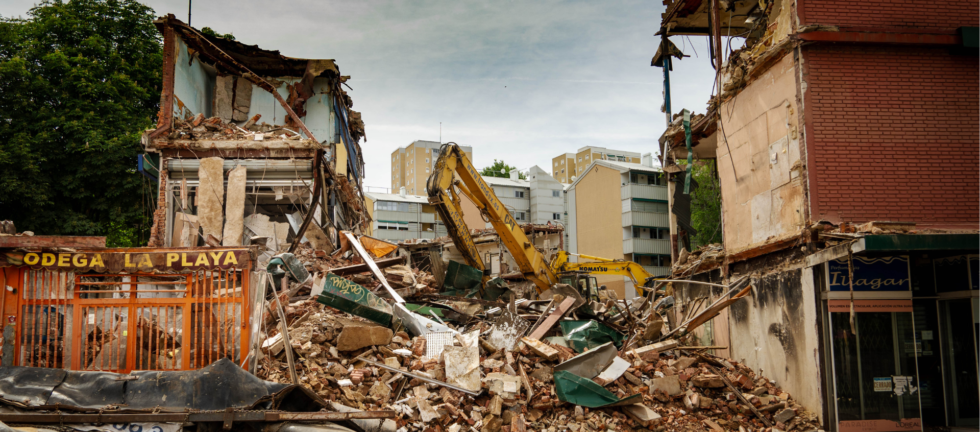
Every year, millions of people around the world experience the terrifying reality of the ground shaking beneath their feet. While earthquakes are natural phenomena that have shaped our planet for billions of years, they remain one of the most unpredictable and potentially devastating disasters that can strike without warning. For homeowners and property investors, understanding earthquake insurance isn’t just about compliance or checking boxes it’s about protecting what may be the most significant financial investment of your life.
The question isn’t whether earthquakes will happen, but when and where. And more importantly for property owners, the question is whether you’re financially prepared for the aftermath. This comprehensive guide will walk you through everything you need to know about earthquake insurance, helping you make an informed decision about whether this specialized coverage is right for you.
Understanding Earthquake Insurance: The Basics
Earthquake insurance is a specialized form of property insurance designed to protect homeowners and property owners from financial losses resulting from earthquake damage. Unlike standard homeowners insurance policies, which typically exclude earthquake damage, earthquake insurance specifically covers the unique types of destruction caused by seismic activity.
What Standard Homeowners Insurance Doesn’t Cover
This is perhaps the most critical point that catches many homeowners off guard: standard homeowners insurance policies explicitly exclude earthquake damage. Even if you have comprehensive coverage that protects against fire, theft, windstorms, and other perils, earthquake damage is almost universally excluded from these policies.
The reason for this exclusion is straightforward from an insurance industry perspective. Earthquakes are what insurers call “catastrophic events” disasters that can affect large geographic areas simultaneously, potentially causing billions of dollars in claims all at once. Standard insurance models, which spread risk across many policyholders in different locations facing different risks, don’t work well for earthquakes where an entire region can be devastated in seconds.
This means that if an earthquake strikes and damages your home, your standard homeowners policy will not pay for repairs to your foundation, walls, or structure. It won’t cover the cost of replacing your belongings that were damaged or destroyed. It won’t pay for temporary housing while your home is being repaired. Without earthquake insurance, you would be personally responsible for all these costs.
Consider a typical scenario: A magnitude 6.5 earthquake strikes your area. Your home’s foundation cracks, interior walls develop fissures, your chimney collapses, and items throughout your house are damaged or destroyed. The total repair bill comes to $150,000. You file a claim with your homeowners insurance, expecting coverage, only to discover that the earthquake exclusion means you’ll receive nothing. This devastating surprise has financially ruined many families who assumed they were protected.
Even fire damage that results from an earthquake such as a fire caused by broken gas lines may not be covered by your standard policy, depending on the specific policy language and how the claim is processed. While some homeowners policies might cover the fire damage itself in this scenario, many specifically exclude fire damage when the fire is a direct result of earthquake activity. This creates a gray area that often isn’t resolved until after disaster strikes, leaving homeowners in a difficult position.
How Earthquake Insurance Works
Earthquake insurance operates as either a standalone policy or as an endorsement (add-on) to your existing homeowners insurance policy. The specific mechanism varies by location and insurance provider, but the fundamental purpose remains the same: to provide financial protection against earthquake-related losses.
When you purchase earthquake insurance, you’re essentially entering into a contract with an insurance company. In exchange for regular premium payments, the insurer agrees to pay for covered losses up to the policy limits if your property is damaged by an earthquake. The coverage typically includes damage to your dwelling, other structures on your property, personal belongings, and additional living expenses if you need to temporarily relocate while repairs are made.
However, earthquake insurance comes with some unique characteristics that differ from standard homeowners insurance. Most notably, earthquake insurance policies typically have much higher deductibles often ranging from 10% to 25% of the dwelling coverage amount. This means if your home is insured for $400,000, you might have a deductible of $40,000 to $100,000. This high deductible structure helps keep premiums more affordable and ensures that the insurance is primarily there to protect against catastrophic losses rather than minor damage.
The Science of Seismic Risk: Where Earthquakes Strike
Understanding where earthquake insurance is essential requires a basic grasp of why earthquakes occur and which regions face the highest risk. The Earth’s surface is made up of massive tectonic plates that are constantly, albeit slowly, moving. Where these plates meet at fault lines is where most earthquakes occur.
High-Risk Earthquake Zones in the United States
California stands as the most earthquake-prone state in America, sitting atop multiple active fault lines with the San Andreas Fault being the most famous. The entire state faces significant seismic risk, but certain areas are particularly vulnerable. The San Francisco Bay Area has experienced devastating earthquakes throughout history, including the catastrophic 1906 earthquake and the 1989 Loma Prieta quake. Southern California, including Los Angeles, Orange County, and San Diego, sits on a complex network of fault lines capable of producing major earthquakes at any time.
What many people don’t realize is that soil composition dramatically affects earthquake damage potential. Areas built on soft sediments, fill material, or reclaimed land experience amplified shaking compared to bedrock areas. The Marina District in San Francisco suffered disproportionate damage during the 1989 earthquake precisely because it was built on fill material. Similarly, parts of Los Angeles built on ancient lakebeds face heightened risk. Insurance companies factor soil conditions into their risk assessments, meaning two homes just blocks apart might have significantly different premium costs based on what lies beneath them.
Building characteristics matter enormously as well. Soft-story buildings structures with large openings on the ground floor like garages or retail spaces are particularly vulnerable to collapse during earthquakes. Wood-frame houses generally perform better than unreinforced masonry structures. Split-level homes and houses built on hillsides face unique challenges. Mobile homes and manufactured housing can be especially vulnerable if not properly anchored to their foundations.
The Pacific Northwest faces a threat that many residents don’t fully appreciate: the Cascadia Subduction Zone. This massive fault line runs from Northern California through Oregon and Washington up to British Columbia. Scientists warn that this zone is capable of producing a magnitude 9.0 or greater earthquake potentially one of the most powerful earthquakes in North American history. Cities like Seattle, Portland, and Eugene all face significant risk from this threat.
Alaska experiences more earthquakes than any other U.S. state, with thousands of tremors recorded each year. The state sits at the boundary of the Pacific and North American plates, making it one of the most seismically active regions on Earth. The 1964 Great Alaska Earthquake, magnitude 9.2, remains the most powerful earthquake ever recorded in North America.
Many people are surprised to learn that significant earthquake risk exists far beyond the West Coast. The New Madrid Seismic Zone, centered around the Missouri-Tennessee-Arkansas-Kentucky border region, produced some of the most powerful earthquakes in American history in 1811-1812. These earthquakes were so strong they temporarily reversed the flow of the Mississippi River and were felt across the eastern United States. Modern scientists warn that this zone remains capable of producing devastating earthquakes that could affect millions of people in the central United States.
Utah sits in an area of significant seismic risk, with the Wasatch Fault running along the populated western edge of the state. Salt Lake City and surrounding communities face substantial earthquake risk, with scientists estimating there’s a significant probability of a major earthquake occurring along this fault within the coming decades. Other states with notable earthquake risk include Nevada, Hawaii, South Carolina, Oklahoma (where induced seismicity from oil and gas operations has dramatically increased earthquake frequency in recent years), and parts of Montana, Wyoming, and Idaho.
Global Earthquake Zones
While this guide focuses primarily on the United States, it’s worth noting that earthquake risk is a global concern. The “Ring of Fire,” a horseshoe-shaped zone around the Pacific Ocean, accounts for about 90% of the world’s earthquakes. Countries including Japan, Indonesia, the Philippines, New Zealand, Chile, and Peru face constant seismic threats.
Understanding these global patterns is important because they inform our scientific understanding of earthquake risk and influence how insurance models are developed and priced. The devastating earthquakes in Japan (2011), New Zealand (2011), Nepal (2015), and other countries have provided valuable data that helps insurers and risk modelers better understand potential losses.
When Earthquake Insurance Is Essential
Determining whether earthquake insurance is essential for your situation requires considering multiple factors beyond just your geographic location.
Geographic Location and Proximity to Fault Lines
If you live in California, particularly in the Bay Area or Southern California, earthquake insurance should be considered essential rather than optional. The question isn’t if another major earthquake will strike these regions, but when. The same applies to residents of the Pacific Northwest who face the Cascadia Subduction Zone threat, and Alaskans living in seismically active areas.
However, proximity to known fault lines isn’t the only consideration. The New Madrid Seismic Zone demonstrates that significant earthquake risk can exist in areas without the obvious warning signs of mountain ranges or coastal locations. If you live in Missouri, Tennessee, Arkansas, Kentucky, or surrounding states, earthquake insurance deserves serious consideration despite the region’s lack of recent major earthquakes.
Property Value and Financial Exposure
The higher your property value, the more essential earthquake insurance becomes. If you own a $800,000 home and a major earthquake strikes, could you afford to repair or rebuild it entirely out of pocket? For most people, the answer is no. Even if you could theoretically afford it, would you want to deplete your savings and investments to do so?
Consider also that earthquake damage often extends beyond just structural repairs. You might need to pay for temporary housing for months or even years while repairs are completed. You might need to replace all your personal belongings. You might face additional costs for debris removal, hazardous materials cleanup, and bringing your rebuilt home up to current building codes.
Mortgage Requirements and Lender Mandates
In some high-risk areas, mortgage lenders require borrowers to carry earthquake insurance as a condition of the loan. This is particularly common in California, where lenders understand the significant risk that earthquakes pose to their collateral—your home. If your lender requires earthquake insurance, then the decision is made for you. However, even if it’s not required, it’s worth considering that your lender has done risk analysis and determined that earthquake insurance is important enough to mandate.
Building Age and Construction Type
Older homes, particularly those built before modern seismic building codes were implemented, are more vulnerable to earthquake damage. If your home was built before the 1970s in a high-risk area, it’s much more likely to suffer severe damage in an earthquake compared to a newer home designed with seismic resistance in mind.
Certain construction types are also more vulnerable. Unreinforced masonry buildings, homes with crawl spaces that aren’t properly braced, houses built on hillsides without proper foundation work, and structures with weak first-story walls (like homes with large garage openings) all face increased risk.
Financial Safety Net and Risk Tolerance
Your personal financial situation plays a crucial role in determining whether earthquake insurance is essential. Do you have substantial savings that could cover a catastrophic loss? Are you financially secure enough to absorb a six-figure expense without devastating your long-term financial health? What’s your tolerance for financial risk?
For many families, their home represents the majority of their net worth. Losing that asset without insurance coverage could be financially devastating, potentially leading to bankruptcy or foreclosure. For others with diverse investment portfolios and substantial liquid assets, they might reasonably decide to self-insure against earthquake risk.
Renter Considerations
Renters often overlook earthquake insurance, assuming it’s only a concern for homeowners. However, renters in earthquake-prone areas should seriously consider earthquake coverage for their personal belongings and additional living expenses. Your landlord’s earthquake insurance (if they have it) won’t cover your possessions or pay for your hotel room if the building becomes uninhabitable.
The True Cost of Earthquake Insurance
One of the primary factors that influences whether people purchase earthquake insurance is cost. Understanding how premiums are calculated and what affects pricing can help you make an informed decision.
Premium Calculation Factors
Insurance companies use sophisticated risk models to calculate earthquake insurance premiums. These models consider numerous factors including your home’s location relative to active fault lines, local soil conditions (soft soil amplifies shaking), your home’s age and construction type, the dwelling coverage amount you select, and the deductible you choose.
Location is typically the single most significant factor. A home in San Francisco will have dramatically higher premiums than an identical home in Houston, simply because of seismic risk. Even within the same city, premiums can vary significantly based on proximity to known faults and soil composition.
Average Premium Costs
Premium costs vary enormously based on risk factors, but some general ranges can help set expectations. In California, annual earthquake insurance premiums typically range from $800 to $5,000 or more, depending on the factors mentioned above. In lower-risk areas, premiums might be $300 to $800 annually. High-value homes in high-risk areas can see premiums exceeding $10,000 per year.
The California Earthquake Authority (CEA), which provides the majority of earthquake insurance in California, offers policies with average premiums around $800 to $1,200 annually for typical homes, though individual circumstances can push this much higher or lower.
The Deductible Factor
As mentioned earlier, earthquake insurance deductibles are substantially higher than those for standard homeowners insurance. While you might have a $1,000 or $2,500 deductible on your regular homeowners policy, earthquake insurance deductibles are typically percentage-based.
Common deductible options include 10%, 15%, 20%, and 25% of the dwelling coverage amount. On a $500,000 home, a 15% deductible means you would pay the first $75,000 of repair costs before insurance coverage kicks in. This structure means earthquake insurance is really designed to protect against catastrophic losses rather than moderate damage.
You can often lower your deductible by paying higher premiums, but this can dramatically increase costs. The deductible choice requires careful consideration of your financial ability to handle different levels of out-of-pocket expenses versus your monthly budget for insurance premiums.
Ways to Reduce Premiums
Several strategies can help reduce earthquake insurance costs. Retrofitting your home to improve its seismic resistance such as bolting the house to its foundation, bracing cripple walls, or reinforcing masonry can qualify you for premium discounts, sometimes 10% to 20% or more.
Foundation bolting involves attaching your home’s frame to its concrete foundation using specialized bolts. This prevents the house from sliding off the foundation during an earthquake, one of the most common types of catastrophic damage. This relatively simple retrofit typically costs $3,000 to $7,000 but can reduce insurance premiums enough to pay for itself over time while significantly improving your home’s earthquake resistance.
Cripple wall bracing addresses another common vulnerability. Cripple walls are the short wood-framed walls between the foundation and the first floor, common in older homes. During earthquakes, these walls can collapse, causing the entire house to fall. Bracing these walls with plywood panels dramatically improves structural integrity and typically costs $3,000 to $5,000.
Choosing a higher deductible will lower your premiums significantly, though it increases your out-of-pocket risk. Moving from a 10% deductible to a 20% deductible might reduce your annual premium by 30% to 40%, but remember this doubles your potential out-of-pocket costs if you need to file a claim. This strategy works best for homeowners with substantial savings who can afford the higher deductible.
Installing automatic gas shutoff valves, which reduce fire risk following an earthquake, may also qualify for discounts. These devices automatically shut off gas flow when they detect earthquake motion, preventing gas leaks that could lead to fires. The devices cost $300 to $600 installed and may reduce premiums by 5% to 10%.
Shopping around among different insurance providers can reveal significant price differences for comparable coverage. Earthquake insurance is a specialized market, and companies use different risk models and have different pricing strategies. Some insurers might offer better rates for newer homes, while others might be more competitive for older homes that have been retrofitted. Getting quotes from at least three different insurers is essential.
Some states and localities offer retrofit financing programs that can help offset the cost of seismic improvements. California’s Earthquake Brace and Bolt program, for example, offers grants up to $3,000 to help pay for foundation bolting and cripple wall bracing for qualifying homeowners. These programs make retrofitting more affordable while also reducing insurance premiums and, most importantly, making your home safer.
What Earthquake Insurance Covers (and What It Doesn’t)
Understanding exactly what your earthquake insurance policy covers is crucial to making an informed purchasing decision and avoiding surprises after a disaster.
Standard Coverage Components
Most earthquake insurance policies provide coverage for your dwelling (the house structure itself), other structures on your property (detached garages, sheds, fences), personal property (your belongings inside the home), and additional living expenses if you need temporary housing while repairs are made.
Dwelling coverage pays to repair or rebuild your home’s structure, including the foundation, walls, roof, and permanently installed fixtures and appliances. This is typically the largest component of your coverage and should be sufficient to completely rebuild your home if necessary.
Personal property coverage protects your belongings furniture, clothing, electronics, appliances, and other possessions. Standard policies often limit this to 50% to 70% of the dwelling coverage amount, though you can often purchase additional coverage.
Additional living expenses coverage (also called loss of use coverage) pays for hotel bills, temporary rentals, restaurant meals, and other costs you incur if you must temporarily relocate while your home is being repaired. This coverage is invaluable, as major earthquake damage can leave homes uninhabitable for months or even years.
Understanding how additional living expenses coverage works is crucial. The coverage typically pays the difference between your normal living expenses and your temporary increased costs. For example, if you normally spend $200 per week on groceries and home-cooked meals but must eat restaurant meals costing $500 per week while displaced, the insurance would cover the $300 difference. Similarly, if your normal housing costs (mortgage, utilities, etc.) total $2,500 monthly but you need to rent a comparable temporary home for $3,500 monthly, the insurance covers the $1,000 difference.
However, this coverage has limits. Most policies cap additional living expenses at 12 to 24 months, though some offer shorter or longer periods. After major earthquakes, contractor shortages and permit delays can extend repair timelines significantly. The 1994 Northridge earthquake left some homeowners displaced for over two years, exhausting their additional living expense coverage before they could return home. When evaluating policies, pay attention to both the dollar limit and the time limit for this coverage.
The coverage also typically requires that you maintain a comparable standard of living. You can’t downgrade to a studio apartment to save money and expect reimbursement for a luxury rental, nor can you upgrade to a mansion. The insurance pays for accommodations reasonably comparable to your damaged home.
Common Exclusions
Understanding what earthquake insurance doesn’t cover is equally important. Most policies exclude damage to landscaping, swimming pools, patios, driveways, and other outdoor features unless you purchase additional coverage. Some policies exclude or limit coverage for masonry structures like brick or stone veneer.
Items in or attached to your vehicle typically aren’t covered by earthquake insurance—they would fall under your auto insurance. Business property used in a home-based business is often excluded or limited, requiring separate business insurance.
Perhaps most importantly, earthquake insurance typically doesn’t cover all the costs of bringing your home up to current building codes during repairs. While some policies offer limited building code upgrade coverage, completely modernizing an older home to meet current seismic standards can cost far more than the insurance coverage provides.
The Difference Between Earthquake Insurance and Earthquake Retrofitting Coverage
Some policies offer coverage for earthquake retrofitting costs, which helps pay to seismically strengthen your home before an earthquake occurs. This is different from standard earthquake insurance that pays for damage after an earthquake. Some California homeowners, for example, can get grants or low-interest loans to help pay for retrofitting, separate from their insurance policies.
The California Earthquake Authority: A Special Case
Given California’s unique earthquake risk and the size of its population, the state has developed a specialized approach to earthquake insurance that warrants detailed discussion.
History and Formation
The California Earthquake Authority (CEA) was created in 1996 in response to the 1994 Northridge earthquake, which caused over $20 billion in insured losses and led many private insurance companies to stop offering earthquake coverage in California. The CEA is a publicly managed, privately funded organization that provides the majority of earthquake insurance in California.
The CEA was designed to ensure that earthquake insurance remains available and affordable for California homeowners. It operates differently from traditional private insurance companies, with its primary goal being to provide coverage rather than maximize profits.
How CEA Policies Work
CEA policies are sold through participating insurance companies that homeowners already use for their standard homeowners insurance. If you have homeowners insurance with State Farm, Farmers, or another CEA-participating insurer in California, you purchase CEA earthquake insurance through that same company, though the policy is actually provided by the CEA.
CEA policies have standardized coverage options and pricing structures, making it easier to understand and compare policies. The typical CEA policy structure includes coverage for dwelling (the home structure), personal property (with several coverage level options), and additional living expenses.
One unique aspect of CEA policies is their modular structure. Homeowners can choose different coverage levels for different components, allowing for some customization based on individual needs and budgets. For example, you might choose full replacement cost coverage for your dwelling but basic coverage for personal property to keep premiums more affordable.
CEA Premium Discounts
The CEA offers various discounts that can significantly reduce premiums. Homes built or retrofitted to resist earthquake damage qualify for substantial discounts. The seismic retrofit discount, available for homes where the foundation has been bolted and cripple walls have been braced, can reduce premiums by 20% or more.
New homes built to modern seismic codes qualify for a newer home discount. Choosing a higher deductible also reduces premiums. The CEA also offers discounts for homes with automatic gas shutoff valves and for policyholders who bundle coverage for multiple properties.
Alternatives to the CEA in California
While the CEA provides most earthquake insurance in California, alternatives exist. Some private insurers offer earthquake coverage outside the CEA system, sometimes with different terms, coverage options, or pricing. These private policies might offer lower deductibles, broader coverage, or different pricing structures that work better for some homeowners.
However, private earthquake insurance in California can be significantly more expensive than CEA coverage, and availability varies by location and home characteristics. Homeowners should compare CEA and private market options to determine which provides the best value and coverage for their specific situation.
Earthquake Insurance in Other High-Risk States
While California’s approach is unique due to its size and risk level, other high-risk states have their own considerations and approaches to earthquake insurance.
Pacific Northwest Earthquake Coverage
Washington and Oregon face significant earthquake risk from the Cascadia Subduction Zone, yet earthquake insurance penetration rates are much lower than in California. Many homeowners in the Pacific Northwest are unaware of the serious earthquake threat they face or underestimate the potential impact.
Earthquake insurance in Washington and Oregon is typically offered by private insurers as an endorsement to homeowners policies or as standalone coverage. Premiums can vary widely, but generally remain lower than California premiums, in part because the region hasn’t experienced a major earthquake in modern times (though scientists warn this is temporary). However, when the Cascadia earthquake eventually strikes, it could be far more devastating than any California earthquake in recent history because buildings in the Pacific Northwest are generally less prepared for seismic events.
Alaska Earthquake Insurance
Given Alaska’s extreme seismic activity, earthquake insurance is widely available through both national insurers and Alaska-specific companies. Premiums vary significantly based on location, with areas near major fault lines or in Anchorage (which sits atop soft glacial sediments that amplify shaking) facing higher costs.
Many Alaska homeowners choose earthquake insurance despite the cost because they’re acutely aware of the risk earthquakes are a regular occurrence that residents can’t ignore. The 2018 magnitude 7.1 earthquake near Anchorage, while not catastrophic, caused widespread damage and served as a wake-up call for many homeowners.
Central United States and the New Madrid Seismic Zone
Earthquake insurance in the central United States is an interesting study in risk perception. Despite the New Madrid Seismic Zone’s capacity for major earthquakes, relatively few homeowners in affected states carry earthquake coverage. This is partly because the region hasn’t experienced a major earthquake in over 200 years, making the threat feel abstract and unlikely.
However, scientists emphasize that the New Madrid zone remains dangerous. A major earthquake there would affect multiple states simultaneously, potentially causing damage across a much larger area than a comparable West Coast earthquake because building codes in the central U.S. don’t account for seismic risk and because soft Mississippi River valley sediments would amplify shaking.
Premiums in New Madrid zone states are generally lower than on the West Coast, making earthquake insurance relatively affordable. For homeowners in Missouri, Tennessee, Arkansas, and Kentucky, the low cost compared to potential catastrophic loss makes earthquake insurance worth serious consideration.
Making the Decision: Should You Buy Earthquake Insurance?
After understanding what earthquake insurance is, where risk is highest, what it costs, and what it covers, the ultimate question remains: should you buy it? This decision requires honest assessment of multiple factors.
Risk Assessment Framework
Start by evaluating your seismic risk. Research your area’s earthquake history and consult geological surveys to understand fault line proximity. If you live in California, the Pacific Northwest, Alaska, or near the New Madrid Seismic Zone, you face measurable and significant earthquake risk.
Next, assess your financial vulnerability. Calculate what it would cost to fully repair or rebuild your home after a devastating earthquake. Add the cost of replacing all your belongings and paying for temporary housing for potentially a year or more. Compare this total potential loss to your available liquid assets and savings. If the potential loss significantly exceeds your financial resources, earthquake insurance moves from optional to essential.
The Expected Value Calculation
Some people approach the insurance decision from a purely mathematical perspective, calculating expected value. This involves estimating the probability of an earthquake causing various levels of damage and comparing the expected loss to the cost of premiums over time.
However, this approach has limitations. First, accurately estimating earthquake probabilities is extremely difficult we can’t predict when earthquakes will strike. Second, even if the mathematical expected value suggests self-insuring might cost less in the long run, most people can’t afford to absorb a catastrophic loss, making insurance valuable despite potentially negative expected value.
The better way to think about earthquake insurance is as catastrophic loss protection. You’re not insuring against minor damage that you could handle financially; you’re protecting against a loss so severe it could devastate your financial life.
Peace of Mind Value
Beyond pure financial calculation, earthquake insurance provides peace of mind. If you live in a high-risk area and constantly worry about earthquake damage, the cost of insurance might be worth it simply to reduce anxiety and stress. Conversely, if you’re comfortable accepting the risk and confident in your financial ability to recover from a major earthquake, you might reasonably decide to self-insure.
Alternative Risk Management Strategies
If you decide not to purchase earthquake insurance or want to supplement your coverage, consider alternative strategies. Building an emergency fund specifically designated for earthquake recovery can provide some financial buffer. Retrofitting your home to improve seismic resistance reduces potential damage, effectively reducing your risk even without insurance.
Maintaining detailed home inventories with photos and documentation makes insurance claims easier and ensures you don’t forget items. Reviewing and updating your standard homeowners insurance to maximize coverage for perils that might occur alongside earthquakes (like fire, which often follows earthquakes) provides some protection.
How to Purchase Earthquake Insurance
If you’ve decided that earthquake insurance makes sense for your situation, the purchase process is relatively straightforward but requires attention to detail.
Starting with Your Current Insurer
The easiest starting point is contacting your current homeowners insurance company. Most major insurers either offer earthquake coverage directly or can connect you with providers that do. In California, if your insurer participates in the CEA, they can add earthquake coverage through that program.
Your existing insurer already has all your home information on file, making the quote process faster. Additionally, some insurers offer multi-policy discounts when you bundle earthquake insurance with your homeowners policy, potentially saving you money.
Shopping and Comparing Policies
Don’t accept the first quote you receive. Earthquake insurance pricing and coverage can vary significantly among providers. Request quotes from at least three different insurers to compare premiums, deductibles, coverage limits, and policy terms.
When comparing policies, look beyond just the premium cost. A cheaper policy with a 25% deductible might ultimately cost more out-of-pocket than a more expensive policy with a 10% deductible if you need to file a claim. Consider the coverage limits for different components—dwelling, personal property, additional living expenses and ensure they’re adequate for your needs.
Understanding Policy Terms and Conditions
Before purchasing, carefully read the policy terms and conditions. Pay particular attention to what’s covered and excluded, how deductibles work, coverage limits for different categories, and any special conditions or requirements.
Ask your insurance agent to explain anything you don’t understand. Key questions include: How is my dwelling coverage limit determined, and is it sufficient to completely rebuild my home? What’s my deductible as a dollar amount, not just a percentage? What limits apply to personal property coverage, and are there sub-limits for specific categories like electronics or jewelry? How long will additional living expense coverage last if I need to temporarily relocate?
Timing Your Purchase
You can typically add earthquake insurance at any time, not just during your homeowners insurance renewal period. However, most policies include a waiting period often 15 to 30 days before coverage takes effect. This prevents people from waiting until earthquake warnings or forecasts increase and then quickly purchasing coverage. Don’t wait for earthquake warnings to consider purchasing coverage. By then, it may be too late, or insurers may temporarily stop selling new policies in anticipation of a seismic event.
Filing an Earthquake Insurance Claim
Understanding the claims process before you need it helps ensure you’re prepared if an earthquake does strike.
Immediate Post-Earthquake Steps
After an earthquake, your first priorities are safety and basic damage mitigation. Once you’ve ensured everyone’s safety and addressed immediate hazards, document the damage thoroughly with photos and videos before making any repairs beyond temporary fixes to prevent further damage.
Contact your insurance company as soon as possible to report the claim. Most insurers have 24/7 claims hotlines, and getting your claim filed quickly starts the process. Many insurers send adjusters to disaster areas immediately after major earthquakes, so early reporting can help you get on the schedule sooner.
The Claims Adjustment Process
An insurance adjuster will inspect your property to assess damage and determine covered losses. This process can be lengthy after a major earthquake because adjusters become overwhelmed with claims. Be patient but persistent in following up on your claim status.
The adjuster will prepare a report estimating repair costs, which the insurance company uses to determine your claim payment. You have the right to disagree with the adjuster’s assessment if you believe it’s too low. You can hire your own independent adjuster or contractor to provide a competing estimate.
Common Claim Issues and How to Avoid Them
One common issue is inadequate documentation. Taking extensive photos and videos of all damage, keeping all receipts for temporary repairs and living expenses, and maintaining detailed records of all communication with your insurer helps prevent disputes.
Another issue is underinsurance having coverage limits too low to fully repair your home. Review your coverage limits regularly and increase them as construction costs rise and your home value increases.
Some homeowners are shocked by how much they must pay out-of-pocket due to high deductibles. Remember that your deductible applies to the total claim, not per item or per type of damage. With a $60,000 deductible, you pay the first $60,000 of all covered repairs before insurance coverage begins.
Dispute Resolution
If you disagree with your insurer’s claim decision or payment amount, you have options. Start by appealing within the insurance company’s internal review process. If that doesn’t resolve the issue, you can file a complaint with your state insurance department, which investigates consumer complaints and sometimes intervenes.
For significant disputes, you might consider hiring a public adjuster (who works for you, not the insurance company) or even an attorney who specializes in insurance claims. While this adds cost, it can be worthwhile for large claims where you believe the insurer isn’t treating you fairly.
The Future of Earthquake Insurance
The earthquake insurance landscape continues to evolve as our understanding of seismic risk improves, building techniques advance, and climate-related factors potentially influence seismic activity.
Improving Risk Models
Advances in seismology, geology, and data analysis are producing increasingly sophisticated earthquake risk models. These models help insurers better understand and price risk, potentially leading to more accurate premiums that better reflect individual property risk rather than broad geographic pricing.
Improved risk modeling might also help identify homes and areas that face lower risk than previously thought, potentially reducing premiums for those properties. Conversely, some areas might be identified as facing higher risk, potentially increasing coverage costs.
Technological Advances in Construction
Modern building techniques and materials are producing homes that are significantly more earthquake-resistant than older structures. Innovations like base isolation systems, damping devices, and advanced reinforcing techniques can dramatically reduce earthquake damage.
As these technologies become more common and affordable, they might influence insurance pricing, with discounts for homes incorporating advanced seismic protection. Some insurers are already beginning to offer deeper discounts for homes with sophisticated earthquake resistance features.
Climate Change Considerations
While climate change doesn’t directly cause earthquakes, some researchers have investigated whether it might influence seismic activity indirectly. For example, melting glaciers reduce weight on the Earth’s crust, which theoretically could affect stress on fault lines. However, these effects are complex and not well understood.
More directly, climate change is causing insurance markets generally to reevaluate risk models and pricing across many types of coverage. This broader insurance market evolution might influence earthquake insurance availability and pricing as well.
Policy Innovation
The insurance industry continues to develop new earthquake insurance products and coverage options. Some insurers are experimenting with parametric insurance, which pays out based on measured earthquake characteristics (like magnitude and proximity) rather than actual damage assessment. This can speed claims payment but might not perfectly match actual losses.
Others are developing more customizable policies that allow homeowners to tailor coverage to their specific needs and risk tolerance. These innovations might make earthquake insurance more attractive and accessible to more homeowners.
Conclusion: Making an Informed Decision
Earthquake insurance represents one of the most significant insurance decisions homeowners in seismically active areas will make. Unlike auto insurance or health insurance, which protect against relatively frequent events, earthquake insurance protects against a rare but potentially catastrophic risk.
The decision to purchase earthquake insurance isn’t one-size-fits-all. It depends on your location, your home’s characteristics, your financial situation, and your risk tolerance. For homeowners in high-risk areas like California, the Pacific Northwest, and Alaska, earthquake insurance should be seriously considered if not automatically purchased. The question isn’t whether an earthquake will strike these regions but when, and whether you’ll be financially prepared when it does.
For homeowners in moderate-risk areas, the decision requires more nuanced analysis. Consider your proximity to fault lines, your home’s vulnerability, and your financial ability to absorb a major loss. Even in areas without recent earthquake history, like the New Madrid Seismic Zone, the potential for catastrophic damage exists and shouldn’t be ignored.
Ultimately, earthquake insurance is about financial protection and peace of mind. It’s about ensuring that if the ground beneath your feet starts shaking and causes damage to your most valuable asset, you won’t face financial ruin. It’s about being able to rebuild and recover rather than potentially losing everything you’ve worked for.
Before making your decision, do your research. Understand your local seismic risk, get multiple insurance quotes, carefully review policy terms, and honestly assess your financial situation. Consider consulting with insurance professionals, seismic retrofit specialists, and financial advisors to gather all the information you need.
Remember that you can’t predict when an earthquake will strike, but you can predict what will happen if one does and you’re uninsured: you’ll be personally responsible for all repair costs, replacement of belongings, and temporary living expenses. For many homeowners, that risk is simply too great to accept.
Whether you ultimately decide to purchase earthquake insurance or not, make it an informed decision based on careful analysis rather than assumptions or wishful thinking. Your future financial security might depend on the choice you make today.
The ground beneath us is never as stable as it seems. The question is whether you’re prepared for the day when that becomes all too apparent.